|
How fast the stream flows. ͏ ͏ ͏ ͏ ͏ ͏ ͏ ͏ ͏ ͏ ͏ ͏ ͏ ͏ ͏ ͏ ͏ ͏ ͏ ͏ ͏ ͏ ͏ ͏ ͏ ͏ ͏ ͏ ͏ ͏ ͏ ͏ ͏ ͏ ͏ ͏ ͏ ͏ ͏ ͏ ͏ ͏ ͏ ͏ ͏ ͏ ͏ ͏ ͏ ͏ ͏ ͏ ͏ ͏ ͏ ͏ ͏ ͏ ͏ ͏ ͏ ͏ ͏ ͏ ͏ ͏ ͏ ͏ ͏ ͏ ͏ ͏ ͏ ͏ ͏ ͏ ͏ ͏ ͏ ͏ ͏ ͏ ͏ ͏ ͏ ͏ ͏ ͏ ͏ ͏ ͏ ͏ ͏ ͏ ͏ ͏ ͏ ͏ ͏ ͏ ͏ ͏ ͏ ͏ ͏ ͏ ͏ ͏ ͏ ͏ ͏ ͏ ͏ ͏ ͏ ͏ ͏ ͏ ͏ ͏ ͏ ͏ ͏ ͏ ͏ ͏ ͏ ͏ ͏ ͏ ͏ ͏ ͏ ͏ ͏ ͏ ͏ ͏ ͏ ͏ ͏ ͏ ͏ ͏ ͏ ͏ ͏ ͏ ͏ ͏ ͏ ͏ ͏ ͏ ͏ ͏ ͏ ͏ ͏ ͏ ͏ ͏ ͏ ͏ ͏ ͏ ͏ ͏ ͏ ͏ ͏ ͏ ͏ ͏ ͏ ͏ ͏ ͏ ͏ ͏ ͏ ͏ ͏ ͏ ͏ ͏ ͏ ͏ ͏ ͏ ͏ ͏ ͏ ͏ ͏ ͏ ͏ ͏ ͏ ͏ ͏ ͏ ͏ ͏ ͏ ͏ ͏ ͏ ͏ ͏ ͏ ͏ ͏ ͏ ͏ ͏ ͏ ͏ ͏ ͏ ͏ ͏ ͏ ͏ ͏ ͏ ͏ ͏ ͏ ͏ ͏ ͏ ͏ ͏ ͏ ͏ ͏ ͏ ͏ ͏ ͏ ͏ ͏ ͏ ͏ ͏ ͏ ͏ ͏ ͏ ͏ ͏ ͏ ͏ ͏
Hello there!If you’re new, welcome. If you’ve been here before, yay. It’s hard to write this in my usual tone — it’s been a tragic start to Hanukkah and Christmas. Take care of each other. 💔 This one’s full to bursting, but hopefully a tasty treat to nibble your way through. Just make sure to leave room for some Christmas pud. How fast the stream flows from January to December! We are swept on by the torrent of things grown so familiar that they cast no shadow. — Virginia Woolf
For those feeling festive, it would be a gift to me if you shared this with someone who might enjoy it. Otherwise, God rest ye merry, Adverbians. See you in 2026. 🫶
|
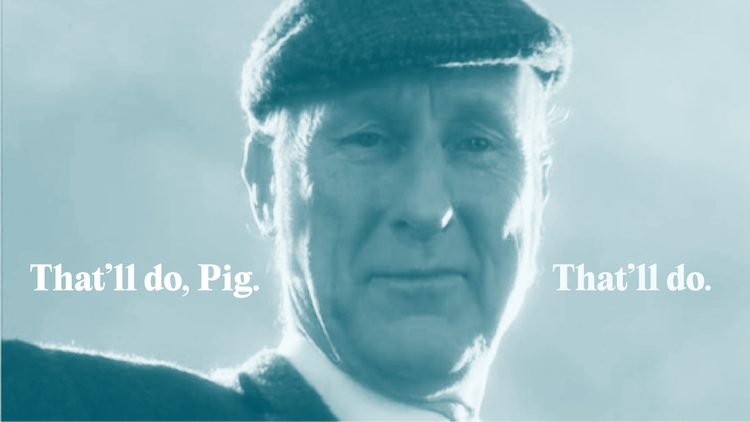
Meanwhile in writingYou may already know that my favourite movie is Babe (the pig movie). But you might not know that its most famous line relies on one of Shakespeare’s favorite rhetorical devices: diacope.
|
diacope /daɪˈækəpi/ n.A rhetorical technique in which a word pops up, disappears, then pops up again.
|
|
That’s right. When bucolic baddie Farmer Hoggett says those 5 words, he’s using a tactic clever writers have been employing for centuries to make their writing memorable.
|
|
Here are a few more examples: Starting to get it? Diacope is repetition with a little phrase thrown in the middle, from the Greek for ‘to cut in two’. When you repeat words within an arm’s reach of each other, our brains light up. Et voila! You’ve written a phrase that’s instantly unforgettable. If you want to get granular, hottie Hoggett is specifically using vocative diacope, but it’s all memorable. Very memorable.
|
|
I was recently delighted by this tribute to the incomparable Webster’s dictionary. I’m the current custodian of my great-grandparents’ massive, unabridged 1947 ‘Webster’s’ (which weighs 5kg and isn’t actually a Webster’s), and despite its dubious provenance, it leaves modern dictionaries in the dust. It borrows from and builds upon Webster’s original work and crackles with rich, subtle, evocative definitions (including those mentioned in the article above). You can access the OG Webster’s in chunks here or the searchable 1913 edition here.
|
Meanwhile in styleBack to Word-of-the-Year news, where Oxford University Press has crowned rage bait, Cambridge Dictionary has chosen parasocial and Australia’s default dictionary, Macquarie, has gone with AI slop. My choice was medical misogyny (and not limited to cis women), but the real news has been my friends’ confusion over the winning ‘word’ appearing to be, in most cases, two words. What’s that all about?
|
|
It’s time to meet compound words, which are two (or more) words working as one. In English, they generally pass through three stages: first as two separate words (open compounds), then with a hyphen (hyphenated compounds) and finally as one merged unit (closed compounds). Par exemple: well being > well-being > wellbeingopen > hyphenated > closed We read closed compounds as single words: popcorn, boyfriend, heartbreaking, however. But a compound doesn’t need to reach its final form to be legitimate! At every stage, those two elements create a distinct meaning and behave as one word. Door bell meant exactly what doorbell does; time has just stuck the bits together. So yes, a word can be made of more than one word. It’s merely in its caterpillar era, and it’s no less charming for that. 🐛
|
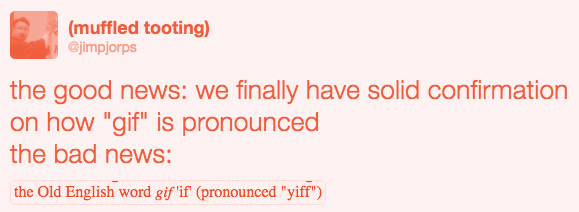
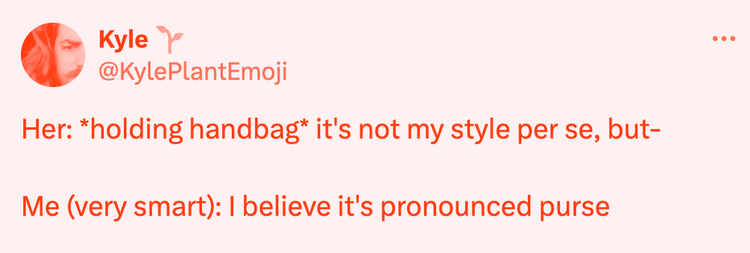
Spelling and pronunciationIf your Christmas convos need revivifying, I recommend this family-friendly thread on English’s most unhinged pronunciations. And if that well dries up, why not wheel out Gerard Nolst Trenité’s incredible — and infuriating — poem, which is stuffed with around 800 of our language’s most egregious irregularities! I’ve yet to hear anyone (including myself) read it cleanly on the first go. It’ll start a fight, but only with our Mother Tongue. 😌
|
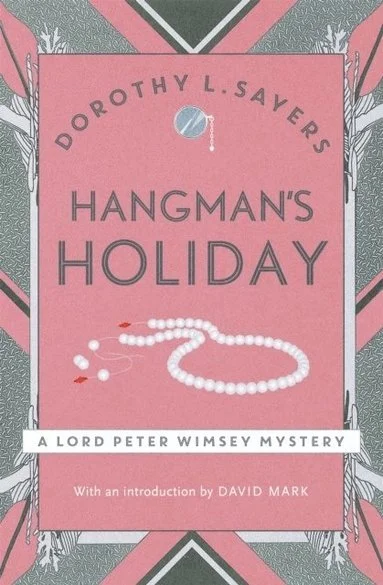
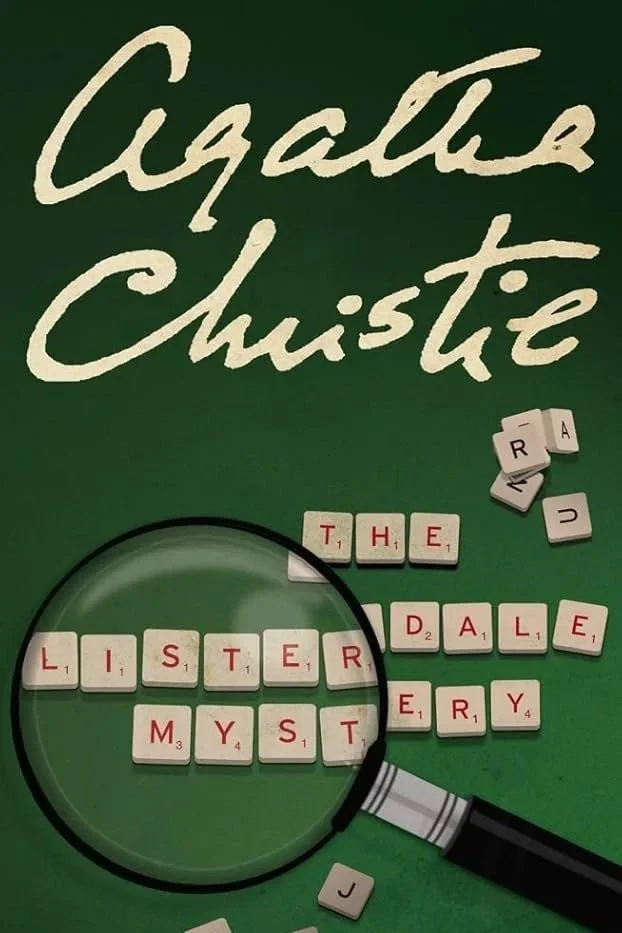
Meanwhile in readingI’m a mid-century crime fiction dork — so biased, obviously — but imo Christmas is peak time for a classic whodunnit. In light of the recent tragedy in Bondi, my reading recommendations this month are decidedly cosy. Nobody comes to harm, and all feature jewels stolen from millionaires (a victimless crime).
|
|
|
|
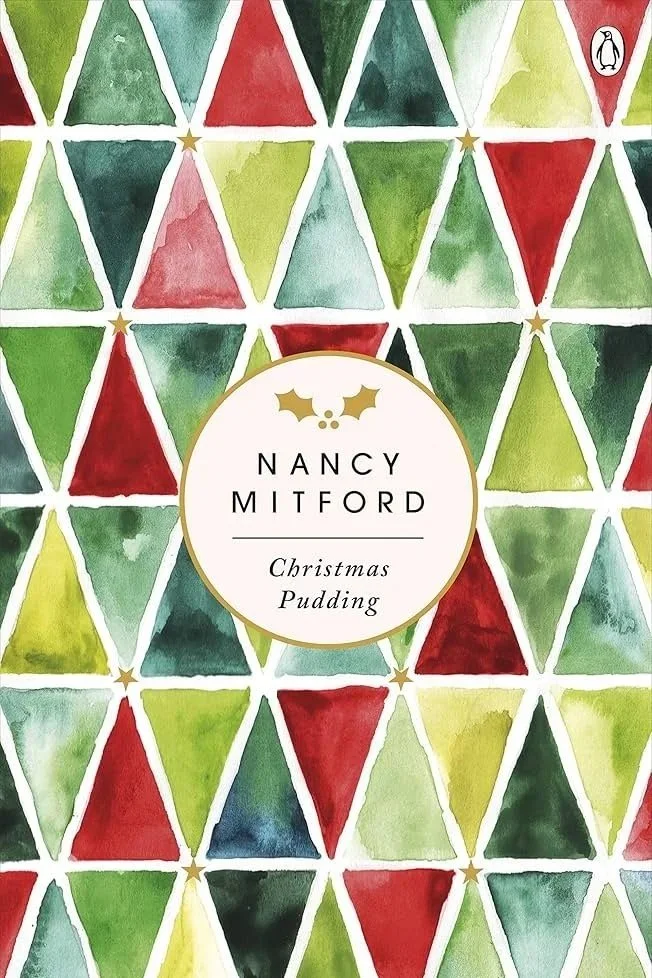
Christmas PuddingMy book of the month is Christmas Pudding by socialist queen and Only Good Mitford Sister™, Nancy Mitford. It’s a story you read more for the writing than the plot, and Nancy apparently wrote this rollicking tale over 3 months, during which she sat by the drawing room fire, ‘giggling helplessly’ at her own jokes — iconic, highly relatable behaviour. 🎄 |
|
|
|
|
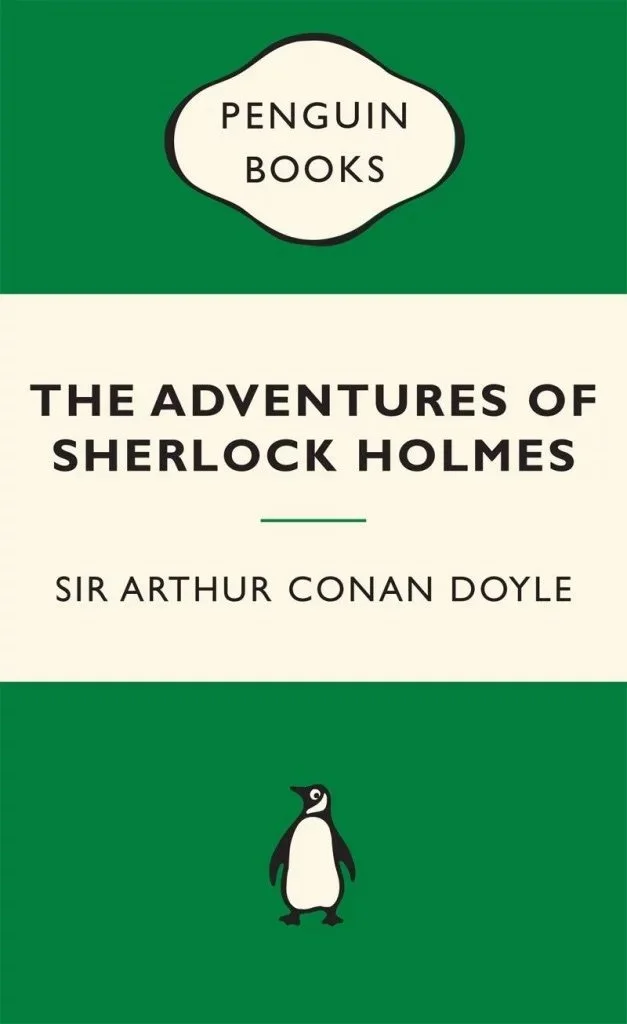
Short storiesHolidays are the perfect time for a jaunty short story. For a taste of brain-tickling, low-stakes classic crime, I recommend Agatha Christie’s The Adventure of the Christmas Pudding and The Rajah's Emerald, Dorothy L Sayers’ The Necklace of Pearls and Arthur Conan Doyle’s The Adventure of the Blue Carbuncle.
|
PoetryIn news to delight the poets among us, a recent Italian study demonstrated that poetry can be used to jailbreak LLMs, with verses in both Italian and English prompting various AI models to leap over their own guardrails. While the experiment intentionally sought out weaknesses in the models, it’s a galvanising reminder that poetry has always been a tool for resistance — and that human-made art is an antidote to heightened human censorship and machine automation. 💪
|
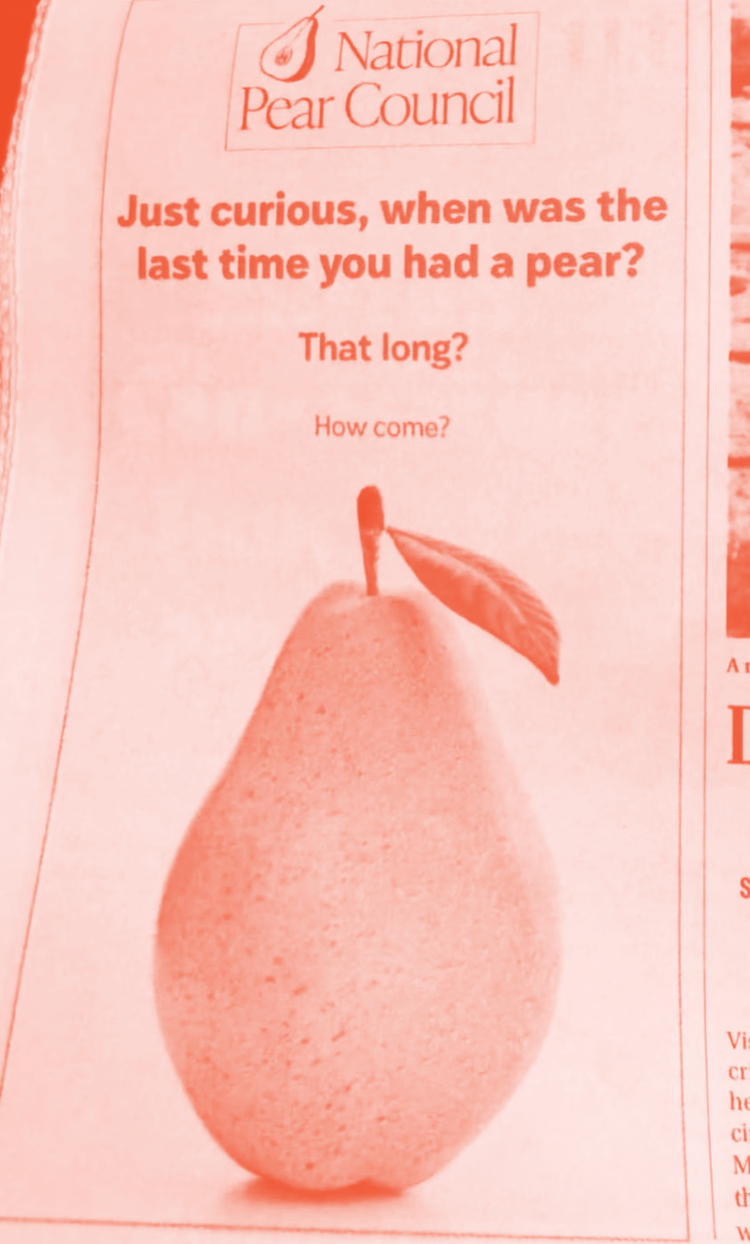
Meanwhile onlineThe internet is full of foul and wretched things, like Facebook and Graham Linehan, but it’s also home to the Miles Davis improvising on LCD Soundsystem YouTube duet, Wikimedia Commons and False Knees. It’s also how I came to learn about National Pear Month USA (the entire month of December compared with Australia’s paltry single week in June), and this perfect piece of copywriting from the (sadly non-existent) National Pear Council:
|
That’s all for DecemberThanks for reading Meanwhile in December! If you were sent this and fancy subscribing, you can do so below — feel free to share it far and wide or keep it squirrelled away just for you. I’ll see you in January. 🫶
|
|
|
|