|
Duck! Here comes another year. ͏ ͏ ͏ ͏ ͏ ͏ ͏ ͏ ͏ ͏ ͏ ͏ ͏ ͏ ͏ ͏ ͏ ͏ ͏ ͏ ͏ ͏ ͏ ͏ ͏ ͏ ͏ ͏ ͏ ͏ ͏ ͏ ͏ ͏ ͏ ͏ ͏ ͏ ͏ ͏ ͏ ͏ ͏ ͏ ͏ ͏ ͏ ͏ ͏ ͏ ͏ ͏ ͏ ͏ ͏ ͏ ͏ ͏ ͏ ͏ ͏ ͏ ͏ ͏ ͏ ͏ ͏ ͏ ͏ ͏ ͏ ͏ ͏ ͏ ͏ ͏ ͏ ͏ ͏ ͏ ͏ ͏ ͏ ͏ ͏ ͏ ͏ ͏ ͏ ͏ ͏ ͏ ͏ ͏ ͏ ͏ ͏ ͏ ͏ ͏ ͏ ͏ ͏ ͏ ͏ ͏ ͏ ͏ ͏ ͏ ͏ ͏ ͏ ͏ ͏ ͏ ͏ ͏ ͏ ͏ ͏ ͏ ͏ ͏ ͏ ͏ ͏ ͏ ͏ ͏ ͏ ͏ ͏ ͏ ͏ ͏ ͏ ͏ ͏ ͏ ͏ ͏ ͏ ͏ ͏ ͏ ͏ ͏ ͏ ͏ ͏ ͏ ͏ ͏ ͏ ͏ ͏ ͏ ͏ ͏ ͏ ͏ ͏ ͏ ͏ ͏ ͏ ͏ ͏ ͏ ͏ ͏ ͏ ͏ ͏ ͏ ͏ ͏ ͏ ͏ ͏ ͏ ͏ ͏ ͏ ͏ ͏ ͏ ͏ ͏ ͏ ͏ ͏ ͏ ͏ ͏ ͏ ͏ ͏ ͏ ͏ ͏ ͏ ͏ ͏ ͏ ͏ ͏ ͏ ͏ ͏ ͏ ͏ ͏ ͏ ͏ ͏ ͏ ͏ ͏ ͏ ͏ ͏ ͏ ͏ ͏ ͏ ͏ ͏ ͏ ͏ ͏ ͏ ͏ ͏ ͏ ͏ ͏ ͏ ͏ ͏ ͏ ͏ ͏ ͏ ͏ ͏ ͏ ͏ ͏ ͏ ͏ ͏ ͏ ͏
Hello there!If you’re new, welcome. If you’ve been here before, yay. A belated happy New Year, you dirty dogs! 2025 is over, and per Odgen Nash, ‘Good Riddance, But Now What?’: The clock is crouching, dark and small,
Like a time bomb in the hall.
Hark! It’s midnight, children dear.
Duck! Here comes another year. — Ogden Nash
My January has been a colossus of change. I moved house, started a new job, left said job (🫖) and landed a lovely writing project within a week. All in all, a healthy balance on the credit side. I hope that’s where your 2026 tally is landing, too.
|
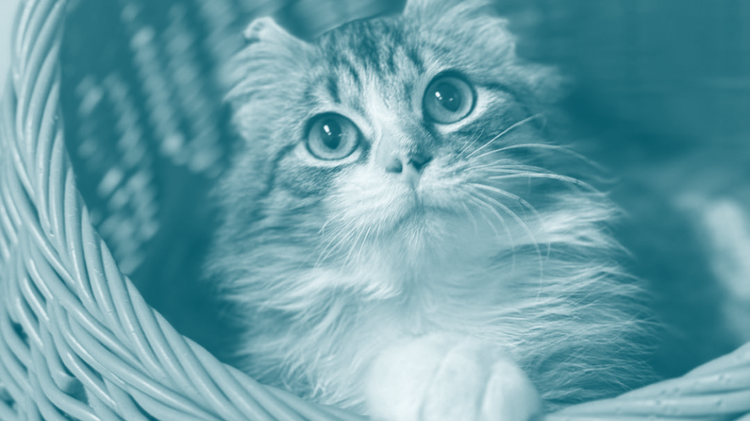
Meanwhile in editingA few weeks ago, my friend Georgia — an incredibly talented copywriter and editor — sent me a picture of this cat. She said, ‘He’s a little odd looking from a rough kittenhood and is even more cute for it’. Then: ‘More cute or cuter?’
|
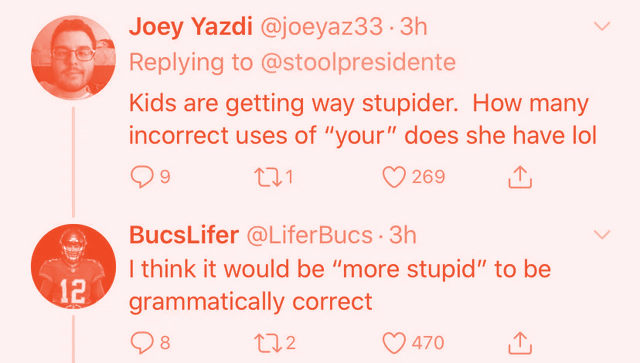
Superlatives and comparativesCutest, biggest, goofiest and so on are superlatives: they tell us that something is the most of an adjective. The easiest to spot end in ‘-est’ (smartest, tallest) or ‘-iest’ (tastiest, silliest). Others use ‘most’ to form a compound (remember those?) superlative (most adorable, most ridiculous). Their close cousins are comparatives, which compare one thing with another. Some add ‘-er’ (closer, louder), while others use words like ‘more’ or ‘less’. Georgia's cat was cuter because of its funny face. So why cuter and not more cute? ¿Por qué no los dos?
|
It’s a case of syllables (mostly)We (usually) form superlatives and comparatives by looking at the syllables. One-syllable adjectives add ‘-er’ and ‘-est’. Two-syllable adjectives occasionally add ‘-er’ and ‘-est’, but most throw on ‘more’ and ‘most’ instead. Three-syllable adjectives let ‘more’ and ‘most’ do all the work.
There are a bucketful of irregular adjectives that don’t follow this pattern (good, fun, far, etc.). But cute, being a one-syllable word, becomes cuter and cutest. However! More cute isn’t incorrect. And nor is stupider, above. Both have been used plenty in literature: Well, he certainly is very agreeable, and I give you leave to like him. You have liked many a stupider person. — Jane Austin
Which is all to say, there’s a ‘rule’, and it’s frequently broken. Welcome to English. 😎
|
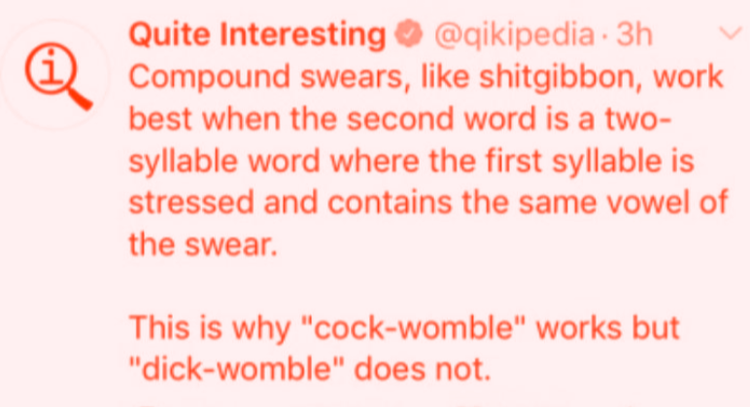
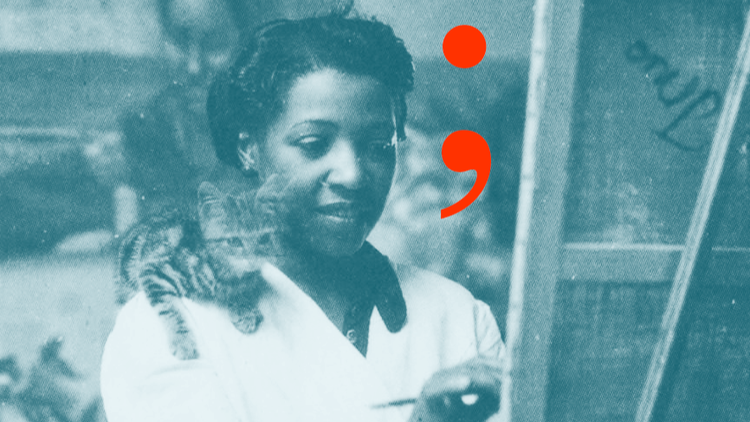
Meanwhile in styleEver since we spoke about compound words, I’ve been thinking about this fun quirk of swearing. My students hear a lot about rhythm in copywriting, and compound swear words are often a perfect example of assonance (the rhyming of vowels, not consonants) and rhythm working together to create a memorable word with a delightful mouthfeel. Use it to craft your own!
|
Meanwhile in readingSince moving into my miniature flat, I’ve been forced to confront the number of books I’ve been lugging from house to house for the past 18 years. As a result, my 2026 reading list is strictly books I already own. Sixteen books into the year, and this is one of the few that’s survived The Lottery:
|
|
|
|
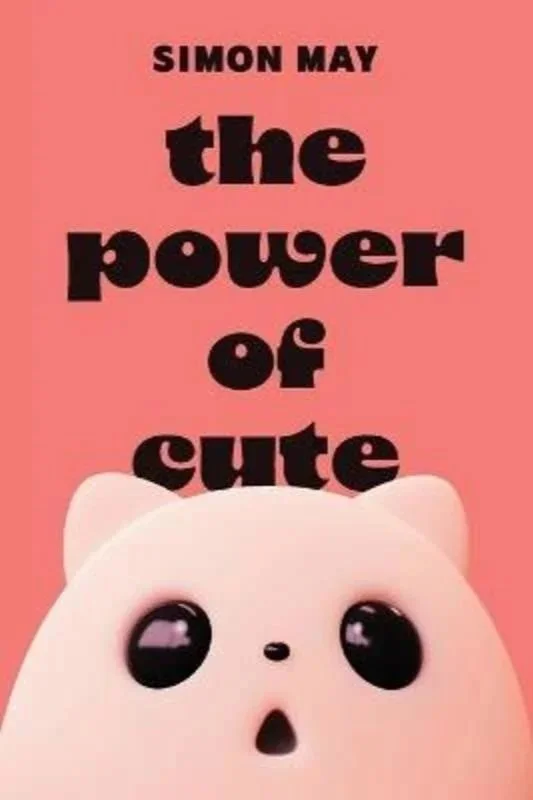
The Power of CuteThis month’s pick is The Power of Cute by philosopher Simon May. While occasionally clunky, it’s full of insight into the phenomenon of ‘cute’. Discussing Donald Trump, WWII, Japan and power (he reckons it’s time to shelve the latter as people’s primary relationship dynamic), May argues that cuteness is powerful because of its indeterminacy. Give a copy to your favourite baby. 🐰 |
|
|
|
|
Character paradoxesCelebrity paradoxes — actors playing fictional characters in shows or films that reference the actor’s real-life back catalogue — are relatively standard fare. I’m much more delighted when the same trick appears in books, largely because while there are only so many actors wandering the planet, there are infinite authors, titles and characters a writer could simply invent instead. My favourite (surprising absolutely nobody) is the Wodehouse–Christie paradox. Wodehouse’s Bertie Wooster happily curls up with an Agatha Christie mystery, while Christie herself describes people as being like Wodehouse characters. Her own work even references itself: Poirot is mentioned in Tommy and Tuppence in the same way the characters discuss Sherlock Holmes. Which means either Poirot and Holmes both exist as real people in that world, or Agatha Christie novels do. 🫨
|
Meanwhile in songIf you, like me, spent your childhood glued to your grandparents, sucked at sport and loved the sound of your own voice, look away, nerd!! This one is just for the cool kids (because you already know about musicals).
|
|
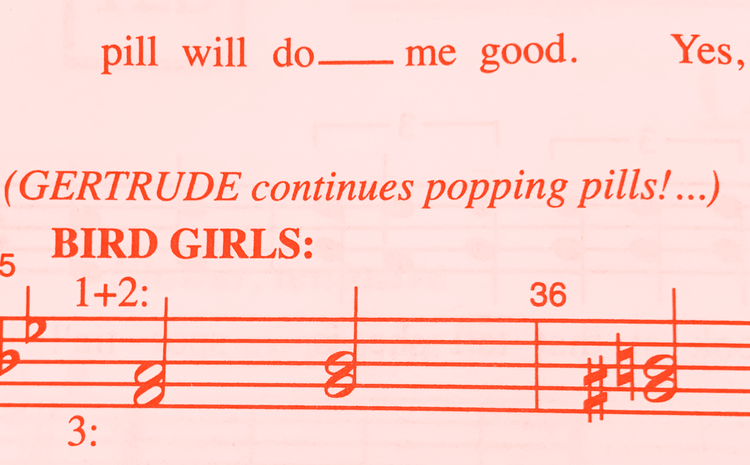
Musical lyrics, like all writing, have their own grammar, and one of their favourite settings is the conditional mood: sentences where one thing depends on another. For example, if I’d been good at golf, my parents could have retired early and lived a life of luxury and polo shirts (sorry, guys!). In musicals, this usually shows up as the conditional love song. Conditional love songs do important work. They get us immediately invested in the main couple (or friends), even though something is obviously stopping them from getting together: a feud, a misunderstanding, mutual loathing, ~vibes~. We know they’re going to hook up in the end — the conditional love song lets us skip to the good stuff.
|
Meanwhile onlineWe all know in our hearts what research proves: fonts make a difference to how we interpret what we’re reading. There are a million low-effort jokes about how Comic Sans makes you look unprofessional (leave Comic Sans — and Britney — alone!), but not enough of us are talking about how Kristen ITC makes us look hot and submissive?? Prepare to be banned from using it. Because of woke.
|
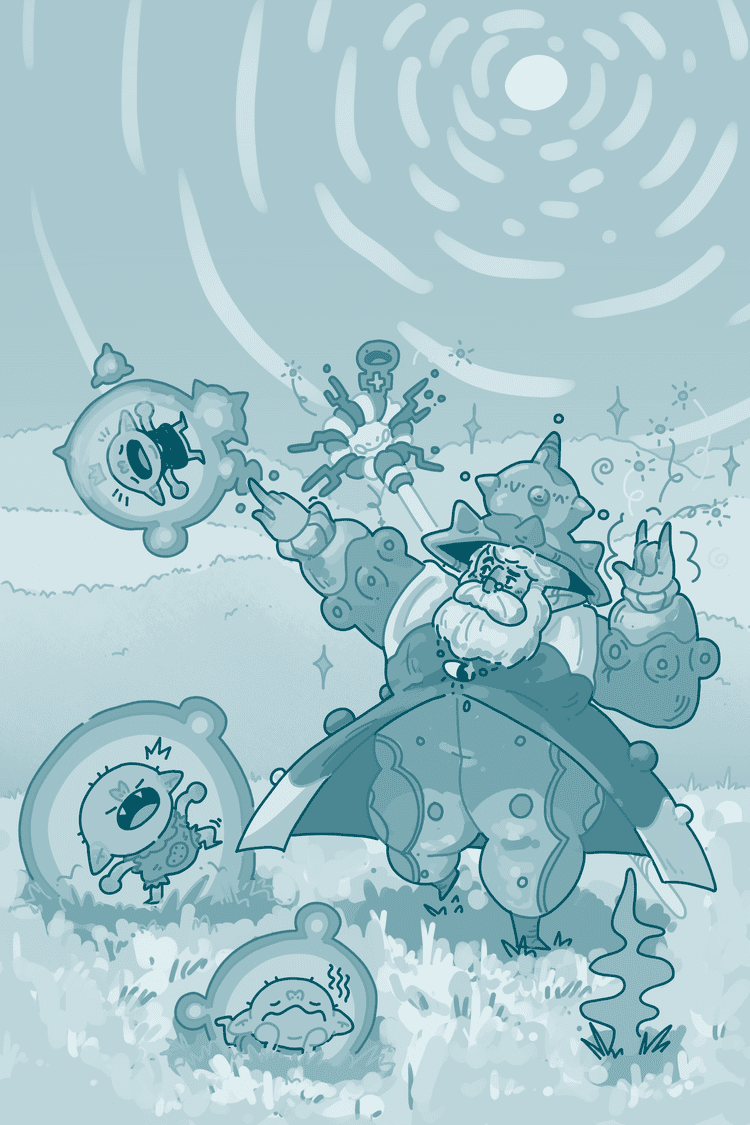
Meanwhile in artNew section alert! This month’s adverbial coda is curiously, illustrated by the talented Kai Lyons, whose speciality is drawing curious, funny little guys. Curiously enough, the only thing that went through the mind of the bowl of petunias as it fell was Oh no, not again. — Douglas Adams
|
That’s all for JanuaryThanks for reading Meanwhile in January! If you were sent this and fancy subscribing, you can do so below — feel free to share it far and wide or keep it squirrelled away just for you. I’ll see you in February. 🫶
|
|
|
|