|
The odd uneven time. ͏ ͏ ͏ ͏ ͏ ͏ ͏ ͏ ͏ ͏ ͏ ͏ ͏ ͏ ͏ ͏ ͏ ͏ ͏ ͏ ͏ ͏ ͏ ͏ ͏ ͏ ͏ ͏ ͏ ͏ ͏ ͏ ͏ ͏ ͏ ͏ ͏ ͏ ͏ ͏ ͏ ͏ ͏ ͏ ͏ ͏ ͏ ͏ ͏ ͏ ͏ ͏ ͏ ͏ ͏ ͏ ͏ ͏ ͏ ͏ ͏ ͏ ͏ ͏ ͏ ͏ ͏ ͏ ͏ ͏ ͏ ͏ ͏ ͏ ͏ ͏ ͏ ͏ ͏ ͏ ͏ ͏ ͏ ͏ ͏ ͏ ͏ ͏ ͏ ͏ ͏ ͏ ͏ ͏ ͏ ͏ ͏ ͏ ͏ ͏ ͏ ͏ ͏ ͏ ͏ ͏ ͏ ͏ ͏ ͏ ͏ ͏ ͏ ͏ ͏ ͏ ͏ ͏ ͏ ͏ ͏ ͏ ͏ ͏ ͏ ͏ ͏ ͏ ͏ ͏ ͏ ͏ ͏ ͏ ͏ ͏ ͏ ͏ ͏ ͏ ͏ ͏ ͏ ͏ ͏ ͏ ͏ ͏ ͏ ͏ ͏ ͏ ͏ ͏ ͏ ͏ ͏ ͏ ͏ ͏ ͏ ͏ ͏ ͏ ͏ ͏ ͏ ͏ ͏ ͏ ͏ ͏ ͏ ͏ ͏ ͏ ͏ ͏ ͏ ͏ ͏ ͏ ͏ ͏ ͏ ͏ ͏ ͏ ͏ ͏ ͏ ͏ ͏ ͏ ͏ ͏ ͏ ͏ ͏ ͏ ͏ ͏ ͏ ͏ ͏ ͏ ͏ ͏ ͏ ͏ ͏ ͏ ͏ ͏ ͏ ͏ ͏ ͏ ͏ ͏ ͏ ͏ ͏ ͏ ͏ ͏ ͏ ͏ ͏ ͏ ͏ ͏ ͏ ͏ ͏ ͏ ͏ ͏ ͏ ͏ ͏ ͏ ͏ ͏ ͏ ͏ ͏ ͏ ͏ ͏ ͏ ͏ ͏ ͏ ͏
Hello there!First, thanks for subscribing. I’m genuinely honoured to be in your inbox (and I love what you’ve done with the place 😏). While going about Adverbs business, I encounter news, titbits and tricks that might not be chunky enough for a whole post or article but are still full of interest. Each month, this is where they will find a home.
August rain: the best of the summer gone, and the new fall not yet born. The odd uneven time. ― Sylvia Plath
I hope you find something worthy within! If not, let me know what you’d like to see more or less of. And, until we meet again, I hope you enjoy the odd uneven time that is August (even in the Southern Hemisphere).
|
Meanwhile in writingYou may already be familiar with these two new words I learned this month, but I was delighted by their mutually gross vibes. First up: spume, which I read first in an essay on the sinking of The Estonia (the sea is scary) and again in The Horror of the Heights (the sky is scary). The word spume has the ring of a foul medieval illness, which is a helpful mnemonic, as the word means froth and foam.
|
spume /spjum/ n.Froth or foam thrown up by waves, storms or any other energetic carry-on in seas, bathtubs and waterways.
|
|
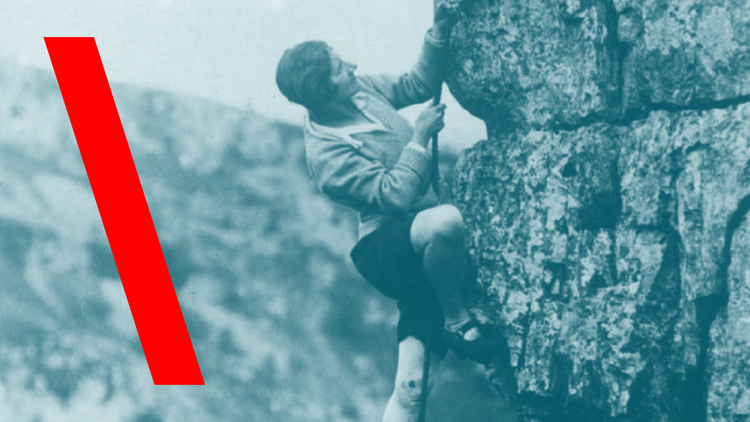
Next: gulch, which I came upon in a chapter of A Lady’s Life in the Rocky Mountains. It sounds like a cat throwing up but actually refers to a deep, narrow ravine formed over time by running water. I clearly haven’t read enough Cleveland Westerns, or I’d know this one already.
|
gulch /gʌltʃ/ n.A narrow ravine carved by water.
|
|
Spume and gulch now join bucolic and fecund on my list of words that supposedly describe beautiful natural phenomena, but sound like the diseased byproducts of a Big Night Out.
|
Meanwhile in styleI was delighted by the reception of my recent piece about em dashes as an AI tell. If you missed it, you can find my Dash It All article here.
|
|
Now that I’m back teaching, I’m thinking about the Chicago Manual of Style, which was updated to Version 18 late last year. The update includes many interesting changes, but here are some of my faves:
|
Meanwhile in readingI recently embarked on a reading challenge that, so far, no one else seems especially eager to take up (fair lol). It follows Fahrenheit 451 author Ray Bradbury’s suggestion that you read one poem, one essay and one short story each day for 1,000 days. So far, so fun! A fair bit of the writing I mention in this email came about thanks to this approach luring me out of my usual reading habits.
|
|

|
Daybreak in GazaMy book of the month is Daybreak in Gaza (2024). In its pages, ‘vignettes of artists, acrobats, doctors, students, shopkeepers and teachers offer stories of love, life, loss and survival.’ The genocide Israel is committing in Palestine is incomprehensible and overwhelming, but even imperfect support is support. Proceeds of this collection go toward medical aid efforts in the region. 🇵🇸 |
|
|
|
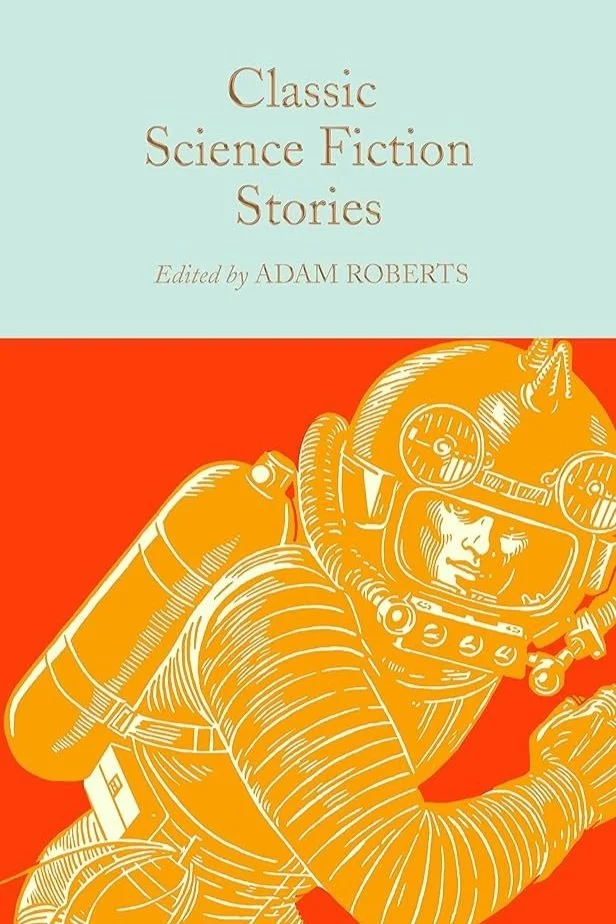
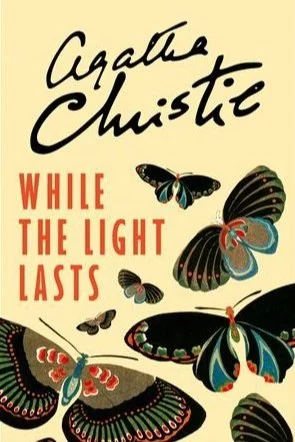
Short storiesI was really tickled this month to stumble upon a lovely synchronisation between HG Wells’ The Door in the Wall (in the sci-fi collection below) and Agatha Christie’s The House of Dreams (in While the Light Lasts). I won’t give away the connection, but they’re both cracking short stories, and I wonder if I would’ve noticed their shared souls if I hadn’t read them so closely together.
|
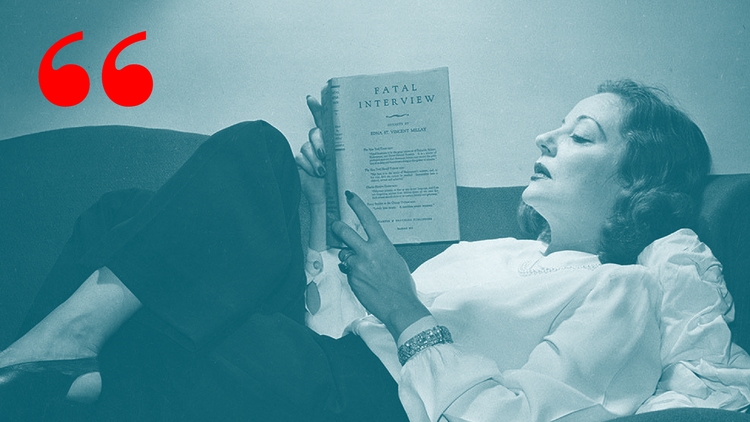
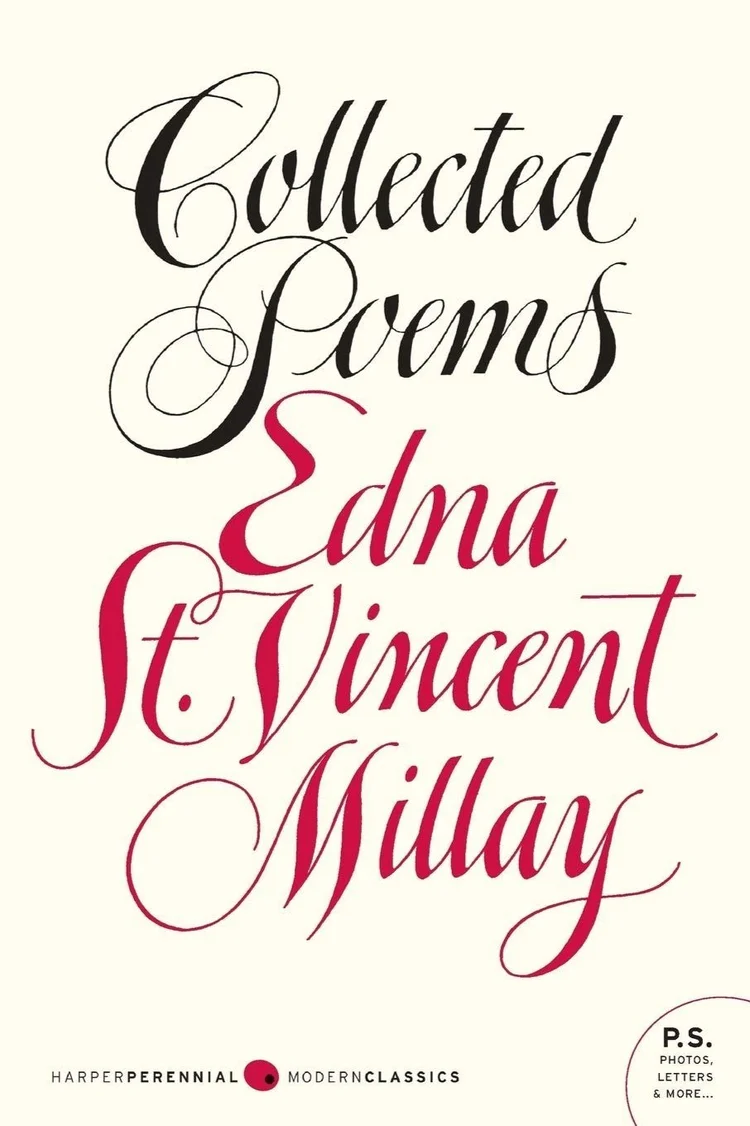
PoetryMany of you will know that my beloved cat Shiney died recently. Edna St Vincent Millay has long been my favourite poet for working through grief, so I’ve been spending time with her work, particularly Dirge Without Music. I always read poems aloud, and I can make it to ‘Fragrant is the blossom. I know. But I do not approve.’ before I start howling. Please read it if you’re feeling sick and furious at the idea of accepting loss.
|
NovelsOne of my ongoing delights is the airy contempt PG Wodehouse characters bring to any brush with law enforcement. My favourite line of the month is this from Joy in the Morning, where Bertie Wooster explains that a Boy Scout has reported him for stealing a policeman’s helmet, belonging to Stilton.
Young Edwin, creeping into my room last night in order to insinuate a hedgehog into my bed, saw the thing lying there, and went and squealed to Stilton, the degraded little copper’s nark.
Bertie Wooster says ACAB. 💅
|
Meanwhile in editingIn spite of the hype about AI streamlining ‘content production’, online grammar tools appear to be getting worse. I don’t know why I’m still shocked at how frequently and unequivocally incorrect automated grammar corrections are, but Outlook and Google in particular seem to be getting sloppier. Please take this as a warning to check before you accept changes!
|
Meanwhile onlineIn other news, Metaverse Mock-King Mark Zuckerberg — not content with creating the world’s first virtual DashCon experience (now with legs!) — is claiming that anyone not wearing his AI glasses will soon be ‘at a pretty significant cognitive disadvantage’. Those pathetic, analogue-sighted Luddites! I bet they haven’t even tapped into superintelligence or vibe physics yet. In Zuck’s defence, creating tech that lets civilians secretly surveil and record each other is definitely a great idea with no chance of leading to heinous public and domestic abuse, right? Only good things, like increased cognition! Just ignore all of those stupid scientists saying over-reliance on AI is turning our brains into pudding.
|
|
Rusty Foster of Today in Tabs recently wrote an excellent piece on AI’s ability to mimic thought without actually thinking.
In regular life, we have never been required to distinguish between “language” and “thought” because only thought was capable of producing language, in any but the most trivial sense.
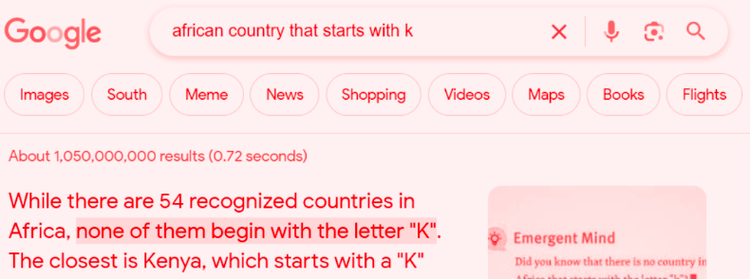
Now that machines can string a sentence together with a bit of context, there’s a risk of attributing that to actual thinking and trusting it. I’m increasingly concerned by the faith people have in the — easily disprovable! — objectivity and accuracy of these digital automatons. (Calling it ‘artificial intelligence’ doesn’t help.) What constitutes thought is part of a bigger philosophical and linguistic discussion, but until LLMs can learn the alphabet, I’m begging organisations to avoid trusting them in situations where ~being correct~ matters. 🙃
|
That’s all for AugustThanks for reading Meanwhile in August! Feel free to share it far and wide or keep it squirrelled away just for you. I’d love to hear from you, so please don’t be shy. Otherwise, I’ll see you in September. 🫶
|
|
|
|